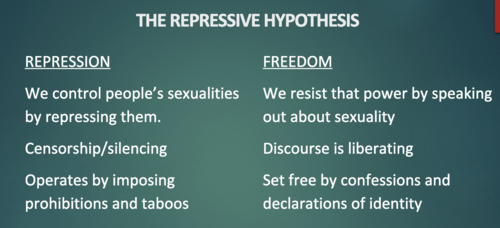
Repression is a psychological defense mechanism in which the mind unconsciously banishes or blocks unacceptable thoughts, painful memories, and difficult emotions from conscious awareness Because it keeps distressing thoughts, memories, and feelings from awareness, it can prevent a person from feeling anxiety or emotional pain. The person is not aware that this mental process is occurring.
The meaning of repression is the action or process of repressing Repression is the most recognized defense mechanism in psychology The state of being repressed
Repression is the unconscious blocking of unpleasant emotions, impulses, memories, and thoughts from your conscious mind First described by sigmund freud, the purpose of this defense mechanism is to try to minimize feelings of guilt and anxiety. Repression is an unconscious defense mechanism that your brain uses to block out difficult or traumatic memories, emotions, and thoughts. Repression is a defense mechanism in which people push difficult or unacceptable thoughts out of conscious awareness
Repressed memories were a cornerstone of freud’s psychoanalytic framework. The use of force or violence to control a group of people The process and effect of keeping… Repression is a psychological defense mechanism that plays a critical role in shaping our mental and emotional landscape

Repression, in psychoanalytic theory, the exclusion of distressing memories, thoughts, or feelings from the conscious mind Often involving sexual or aggressive urges or painful childhood memories, these unwanted mental contents are pushed into the unconscious mind.