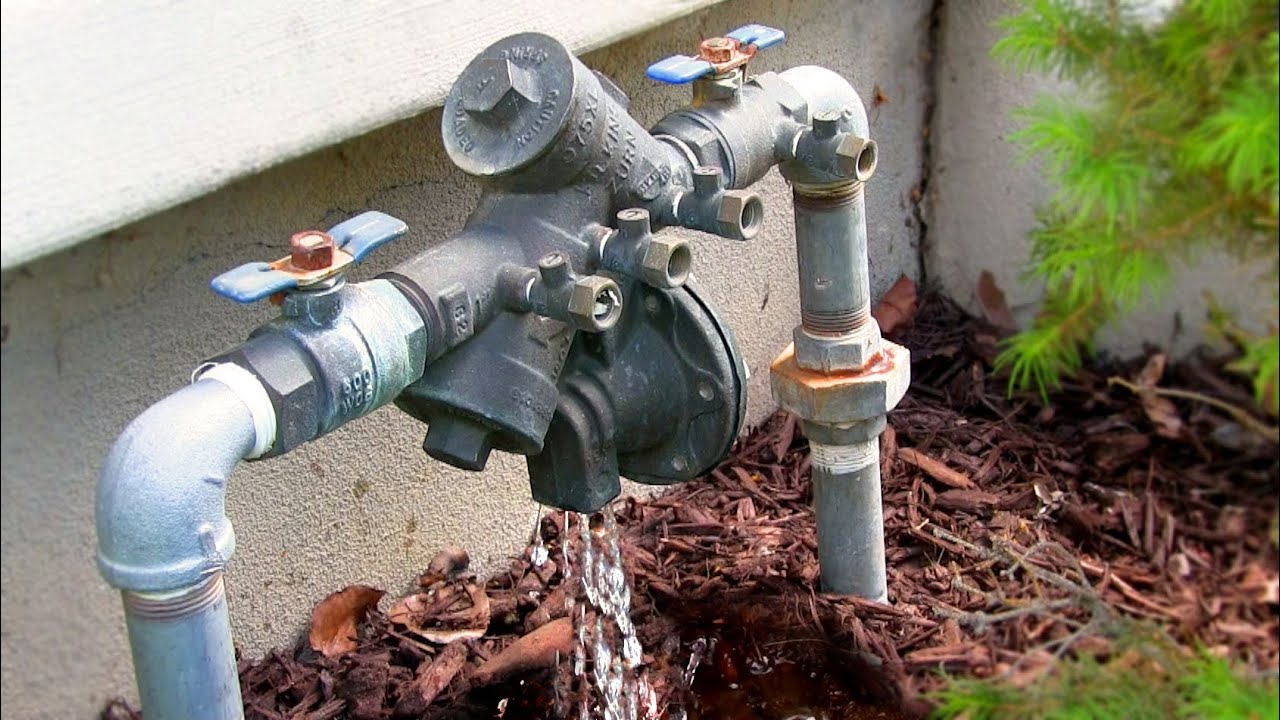
Backflow is a term in plumbing for an unwanted flow of water in the reverse direction This reversal might seem like a minor inconvenience, but it actually represents a serious health and safety concern for both residential and commercial properties. [1] it can be a serious health risk for the contamination of potable water supplies with foul water
In the most obvious case, a toilet flush cistern and its water supply must be isolated from the toilet bowl. Backflow is a plumbing phenomenon that occurs when water flows in the reverse direction from its intended path in a plumbing system Backflow occurs when water flows backward through your plumbing, potentially contaminating your home’s drinking supply
Backflow is the undesirable reversal of the flow of water or other substances from a private plumbing system into the public water supply This can introduce harmful bacteria, chemicals, and other pollutants into the water you use for drinking, cooking, and bathing. Without proper backflow protection, disease and other pollution and contamination will be transmitted to occupants and no one will be safe This chapter covers identification of nonpotable water, backflow assemblies and devices and protection of potable water outlets.
Why is backflow testing important Backflow testing is crucial for protecting public health and ensuring the safety of drinking water. But what exactly is backflow Backflow is the unwanted reverse flow of fluids, gases, or other substances in a plumbing system due to a backpressure or a backsiphonage situation.

This situation can introduce contaminants from the ground or other sources into your clean water supply.